Manga
The manga that were hits in Japan in the 2010s.
2010S HITS
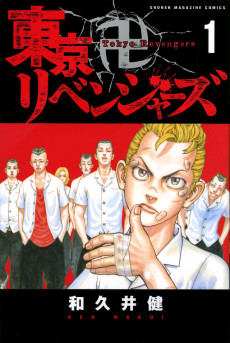
About
Hanagaki Takemichi was once a low-life punk, but after biting off more than he could chew with a gang in middle school, he ran away from his old life. Now that he’s an adult, the gang that once terrorized him has grown into the largest gang in Tokyo, and they’ve started killing people–including his old girlfriend! After learning this news, a mysterious force on a train platform shoves Takemichi right in front of an approaching train. As his life flashes before his eyes, he blinks to find himself transported back to middle school, before he fled from the gang! Now he has the chance to right what went wrong all those years ago. Can he save his girlfriend’s life in the future–and what else might he change if he’s rewriting the past?
Character analysis

Takemichi's unremarkable, directionless adult life gets upended when he discovers he can leap back into his middle-school body, specifically to the gang years he never got over. His lack of fighting ability or special talent is the point, his only real weapon is knowing how badly things go wrong and refusing to accept it quietly a second time.
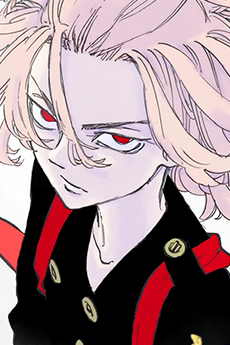
Mikey is adored by his friends as a gentle, almost fragile leader in the past, which makes the story's reveal of who he becomes in the present all the more unsettling. Takemichi's time jumps are largely an attempt to figure out what breaks a person this likable into someone so different.

Draken is tough and intimidating on the surface, but he's consistently the one keeping Mikey grounded and the gang's values intact. His relationship with Mikey is the emotional backbone the whole story keeps returning to, protecting it becomes one of Takemichi's clearest goals.

Hinata's murder in the present day is the tragedy that first sends Takemichi back in time, and protecting her future becomes his clearest, most personal motivation. She's treated as more than a plot device, her own relationship with her brother and the gang gives her real weight beyond being the reason Takemichi starts time-leaping.

Chifuyu is loyal and level-headed in a cast full of volatile personalities, and he becomes one of the people Takemichi can count on most consistently no matter how the timeline shifts around them.
Status evaluation
Art is solid and expressive for character drama, though less of a standout than the story and cast.
The time-leap structure, used to slowly rewrite a tragedy instead of skip past it, gives the plot strong, escalating stakes.
Takemichi's cowardice provides some lighter moments, but the story leans heavily dramatic overall.
Gang loyalty, loss, and Takemichi's repeated failures and second chances give the series real emotional pull.
Gang violence creates tension, but the tone stays grounded drama rather than horror.
Fights and beatings are shown fairly directly, though the focus stays on drama over graphic detail.
Multiple timelines and a large gang hierarchy take real attention to keep straight.
This is a completed series. This figure has not been verified against a current source and should be treated as approximate.
“A grown man getting repeatedly sent back to middle school just to save one friendship says a lot about how much regret can weigh.”