Manga
The manga that were hits in Japan in the 1980s.
1980S HITS
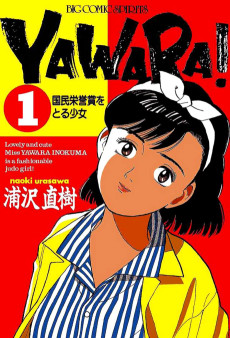
About
Yawara Inokuma is a talented judoka raised and trained by her grandfather Jigoro. Her grandfather says she's supposed to become the hope of Japan's judo team in Seoul in 1988, but she has different plans: to finish high school and find a boyfriend... like all her friends. But being a normal girl and an Olympic champion are two different things. Which path will she choose to follow?
Character analysis

Yawara was raised and relentlessly trained by her grandfather specifically to become an Olympic judo champion, and her own, much quieter dream, finishing high school and having an ordinary life with friends and maybe a boyfriend, is constantly at odds with everyone else's expectations for her talent.

Jigorou trained Yawara since childhood with the explicit goal of Olympic gold, and his single-minded belief in her potential, while well-meaning, is a major source of the pressure she spends the whole series trying to balance against her own wants.

Matsuda covers Yawara's judo career as a journalist and gradually becomes personally involved in both her athletic future and her personal life, complicating the already tangled question of what she actually wants out of her own talent.

Kazamatsuri competes alongside and against Yawara within the judo world, his own drive and skill giving her someone who takes her ability seriously as a fellow athlete rather than just a prodigy to be managed.

Sayaka's competitive presence in the judo world gives Yawara a measuring stick for her own skill, their rivalry adding real competitive stakes to a story otherwise focused on Yawara's reluctance about her own path.
Status evaluation
Clean, approachable character art suits the series' blend of sports competition and romantic comedy.
A judo prodigy who'd rather have an ordinary life gives the sports-comedy structure a relatable emotional hook.
Yawara's attempts to downplay her own talent and live normally provide steady, gentle comedy.
The tension between Yawara's own wants and her grandfather's expectations adds real, if understated, emotional stakes.
This is a lighthearted sports comedy with nothing frightening in it.
Judo matches are competitive sport, not violence, and nothing graphic is shown.
The sports-romance structure stays easy to follow despite a sizable supporting cast.
This is a completed series. This figure has not been verified against a current source and should be treated as approximate.
“A judo prodigy who'd honestly rather just be a normal teenager is a funnier, more relatable hook than most sports stories bother with.”