Soba
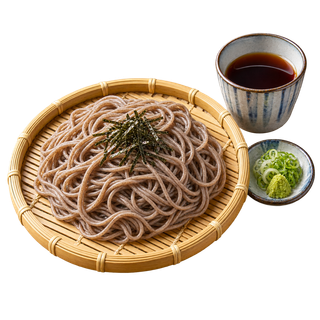
Soba are thin noodles made wholly or mostly from buckwheat, with an earthy, faintly nutty taste and a firmer bite than udon. They are eaten hot in broth in winter and cold on a bamboo tray (zaru) in summer, the cold version being the connoisseur's choice. The wheat-binder ratio matters: nihachi is 20% wheat, juwari is pure buckwheat. People with a wheat allergy are often caught out assuming soba is automatically gluten-free.
Some links on this page are paid links. If you book or buy through them, J-Pedia may earn a commission at no extra cost to you. As an Amazon Associate I earn from qualifying purchases. How we make money
← Back to FoodNOODLES
ABOUT
Soba are thin noodles made wholly or mostly from buckwheat, with an earthy, faintly nutty taste and a firmer bite than udon. They are eaten hot in broth in winter and cold on a bamboo tray (zaru) in summer, the cold version being the connoisseur's choice. The wheat-binder ratio matters: nihachi is 20% wheat, juwari is pure buckwheat. People with a wheat allergy are often caught out assuming soba is automatically gluten-free.
DIETARY NOTES
General guidance for the standard version of this dish. Recipes vary by shop and region — always confirm with the restaurant if you have an allergy or a religious dietary requirement.
WHERE TO EAT
COOKING CLASSES & EXPERIENCES
Hands-on classes and food tours featuring Soba, booked through GetYourGuide (free cancellation up to 24h before on most).
DETAILS