Okonomiyaki
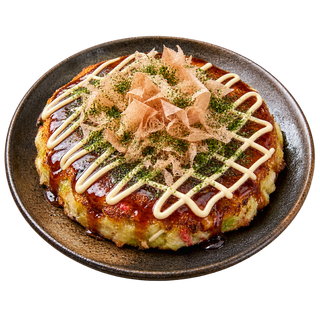
Okonomiyaki is a thick savoury pancake of flour-and-dashi batter bound with shredded cabbage, plus pork, squid, or prawn, cooked on a griddle and finished with sweet brown sauce, mayonnaise, seaweed, and bonito flakes. 'Okonomi' means 'what you like'. Osaka mixes everything into the batter; Hiroshima builds it in layers with a nest of fried noodles inside — locals treat the two as genuinely different dishes.
Some links on this page are paid links. If you book or buy through them, J-Pedia may earn a commission at no extra cost to you. As an Amazon Associate I earn from qualifying purchases. How we make money
← Back to FoodFLOUR-BASED
ABOUT
Okonomiyaki is a thick savoury pancake of flour-and-dashi batter bound with shredded cabbage, plus pork, squid, or prawn, cooked on a griddle and finished with sweet brown sauce, mayonnaise, seaweed, and bonito flakes. 'Okonomi' means 'what you like'. Osaka mixes everything into the batter; Hiroshima builds it in layers with a nest of fried noodles inside — locals treat the two as genuinely different dishes.
DIETARY NOTES
General guidance for the standard version of this dish. Recipes vary by shop and region — always confirm with the restaurant if you have an allergy or a religious dietary requirement.
WHERE TO EAT
COOKING CLASSES & EXPERIENCES
Hands-on classes and food tours featuring Okonomiyaki, booked through GetYourGuide (free cancellation up to 24h before on most).
DETAILS