Manga
The manga that were hits in Japan in the 2020s.
2020S HITS

About
A man working a job far removed from his childhood dreams gets wrapped up in an unexpected situation…! Becoming a monster, he aims once again to fulfill his lifelong dream…!
Character analysis
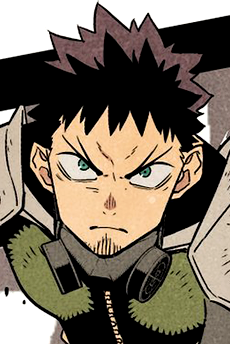
Most hero stories start with someone young, right at the beginning of their journey. Kafka starts at 32, after failing the Defense Force entrance exam four times. He's given up on his childhood dream and settled into a boring cleanup job. Then a tiny kaiju flies into his mouth, and he becomes one of the monsters he was supposed to fight. The story doesn't treat this as a simple power-up. Kafka has to hide what he is from the very people he's always wanted to fight alongside, and that secret sits underneath almost every scene. He's older than his commanding officers, slower to pick up some things, and still funny and a little lazy — the story doesn't erase who he was to make him a hero. It just gives him one more chance.

When Kafka and Mina were kids, they promised to join the Defense Force together and fight kaiju side by side. Mina kept that promise. She became a captain, strong and respected, while Kafka fell behind and gave up. Now he's back in her life, and she has no idea he's secretly the kaiju everyone is hunting. That gap between what she believes and what's actually true is where most of her tension comes from. She isn't written as distant or hard to reach — she's warm, and she still clearly cares about Kafka. That makes the secret harder to watch, not easier. Her story works because the reader knows something she doesn't, and every scene they share carries that weight.
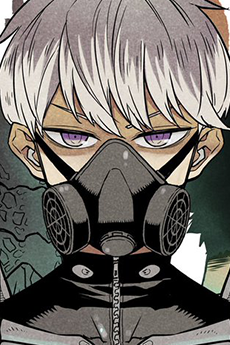
Reno meets Kafka the way a new recruit meets an old rookie — and he isn't shy about saying Kafka doesn't belong there. He's young, talented, and sure that age should have stopped Kafka from trying in the first place. The story doesn't rush him out of that attitude. It lets him stay annoyed for a while, then slowly lets him notice that Kafka tries harder than almost anyone else in the unit. Their friendship becomes one of the clearest examples of the story's real theme: a team is built by people who don't start out liking each other. Reno also gives the story a way to explain things to the reader, since he's new to the Defense Force too and asks the questions a newcomer would ask.
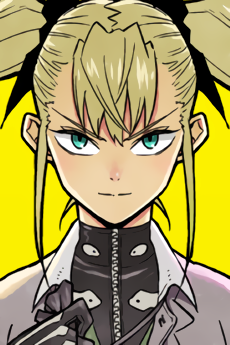
Kikoru is introduced the way a lot of genius characters are: rich family, natural talent, and a habit of looking down on anyone slower than her. What makes her different is that her power visibly hurts her. Using her strongest attacks puts real strain on her own body, so every fight she wins costs her something physical, not just effort. That one detail changes how her talent reads — she isn't simply gifted, she's choosing to pay a price most other characters don't have to. Watching her slowly respect teammates she once dismissed, including Kafka, gives her arc a clear direction without erasing her competitive edge.

Hoshina is the strongest fighter in Kafka's unit, but his most important choice isn't made in battle. He's one of the first people to find out that Kafka is secretly a kaiju, and instead of reporting it, he decides to cover for him. That decision is what keeps the whole premise moving — without Hoshina's silence, Kafka's double life would likely end almost immediately. He trains Kafka hard and takes him seriously, rather than treating him as a secret to manage quietly, which makes their relationship feel like real mentorship rather than just a convenient plot device. Hoshina carries a lot of quiet risk for someone else's sake, and the story lets that cost sit in the background instead of spelling it out.
Status evaluation
The kaiju designs and battle scenes are a real highlight. Fights feel big and physical, and the monsters look genuinely unsettling rather than generic.
The setup is easy to follow: hide the secret, survive training, fight kaiju. It doesn't reinvent the format, but it paces reveals and fights well enough that it rarely drags.
Kafka's slacker energy and the banter between recruits add real humor. It's lighter and funnier than most kaiju or military stories in this genre.
The old promise between Kafka and Mina, and Kafka getting a second chance at a dream he'd given up on, both land well. It's not as heavy as darker series, but it's genuinely moving.
The kaiju themselves can be unsettling to look at, and transformation scenes have some body-horror edge. Overall it reads more as tense action than horror.
Kaiju battles get bloody and the creature designs can be graphic, though the story doesn't dwell on violence the way some darker series do.
The structure is easy to follow: training arcs, missions, and the ongoing secret-identity tension. It's more straightforward than series with heavy political or multi-timeline plots.
As of available knowledge, the series is still ongoing and was in the mid-teens in volume count. Because it is still being released, this number has likely grown since and should be treated as approximate, not current.
“A 32-year-old loser turns into the monster he always wanted to fight — I didn't expect to root for him this hard, this fast.”